 OpenARCloud
Building Interoperable Location-Based Augmented Reality with the Open AR Cloud
October 5, 2026 • 08:15–12:00
The Nicolaus Hotel, Sezione 6+7
Bari, Italy
About the Tutorial
In this half-day tutorial session, participants can gain knowledge about the technology stack of a spatial web platform for open and interoperable publishing, discovery and consumption of content anchored to digital twins of physical locations.
Participants will be given a toolset and sample projects from which they can build their own location-based AR experiences.
Event Information
Sezione 6+7
Schedule
Half-Day Tutorial • October 5, 2026
Organizers
The organizer team consists of experts with diverse backgrounds from augmented reality, virtual reality, telecommunications, arts, and communications involved in industry and academia.
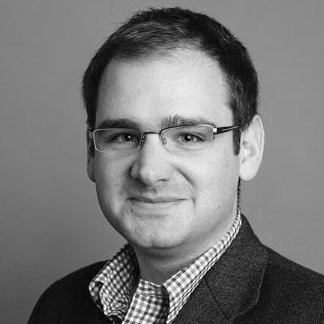
Gábor is a Research Scientist at Nokia Bell Labs (Budapest, Hungary). His research interests span from wearable computer vision and spatial AI over augmented humans, augmented reality, and augmented intelligence in general, often with applications in interaction with robots and smart things. Gábor is a board member and technology lead in the Open AR Cloud EU association, where he focuses on visual positioning systems for augmented reality, and he has been instrumental in the development of the Open Spatial Computing Platform (OSCP). He is also engaged in standardization at ETSI and the Metaverse Standards Forum. Gábor holds a PhD from ETH Zurich in ubiquitous computing and he is also an early contributor to 3 successful AR startups of ETH Zurich.

Michela received a degree in Electronic Engineering from the Polytechnic University of Bari and conducted research at the National Research Council of Italy, where she worked on optoelectronic sensing systems and early vision-based signal processing, establishing an initial foundation in computational imaging and sensor-driven perception. This early research trajectory naturally evolved toward computer vision, Visual Positioning Systems (VPS), and spatial computing.
She is currently Technical Project Lead at Augmented City S.R.L., where she leads the development of large-scale augmented reality cloud infrastructures for urban digital twins and cultural heritage enhancement. She contributed to the mapping of the entire city of Bari as a large-scale testbed for the Open AR Cloud ecosystem, supporting research on persistent city-scale augmented reality.
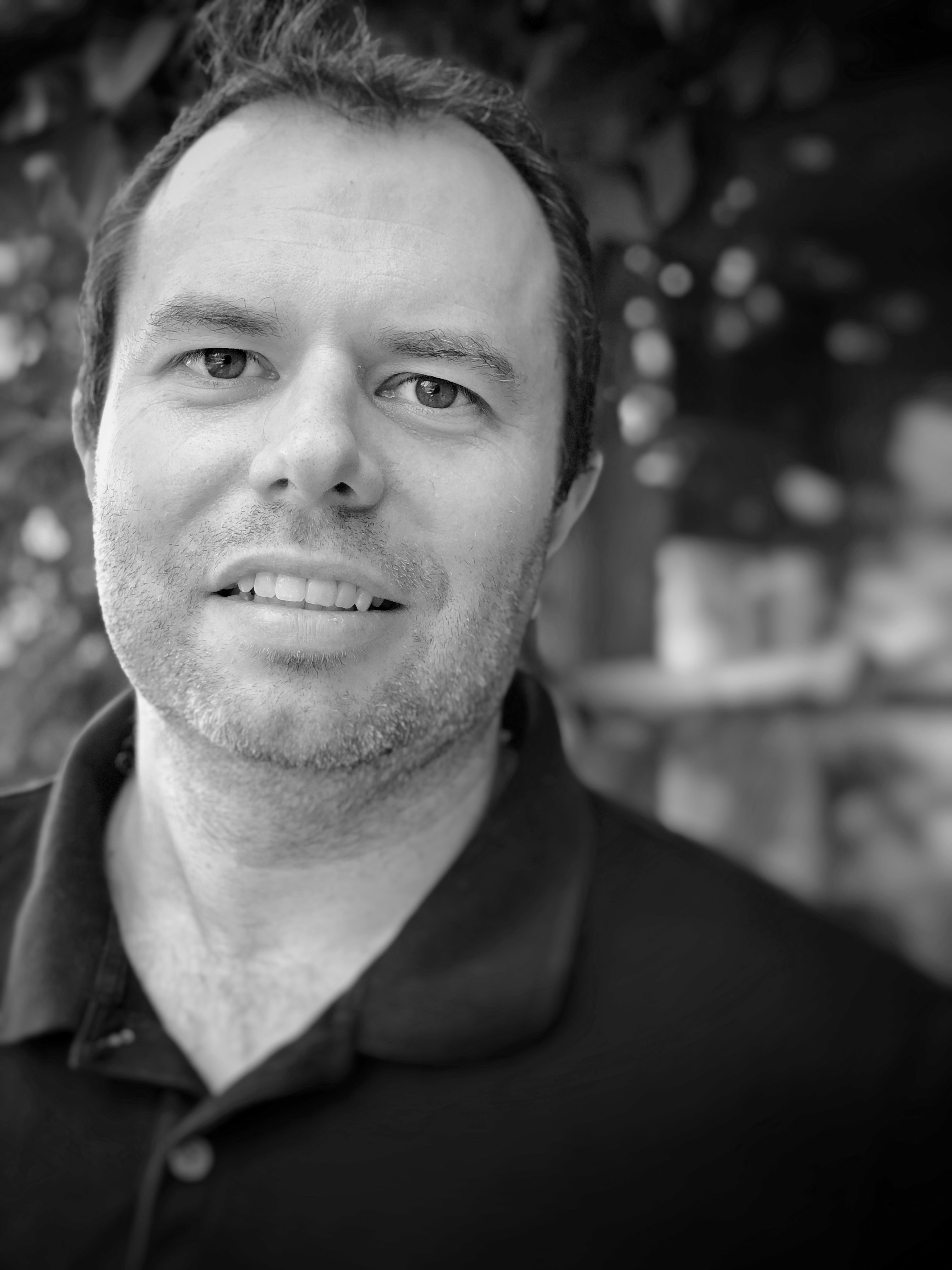
James is a Member of Technical Staff at AT&T Labs (Austin, TX, USA), Director of Technology and board member at Open AR Cloud, and co-chair of the Spatial Computing Working Group at the Metaverse Standards Forum. He has worked in telecom for the past 25 years building large-scale real-time distributed systems and promoting innovation.
James is especially interested in applications of spatial intelligence that improve society such as self-driving cars and an open interoperable Spatial Web. James received a BSEE from the University of Texas at Austin, and an MSCS from Georgia Tech.
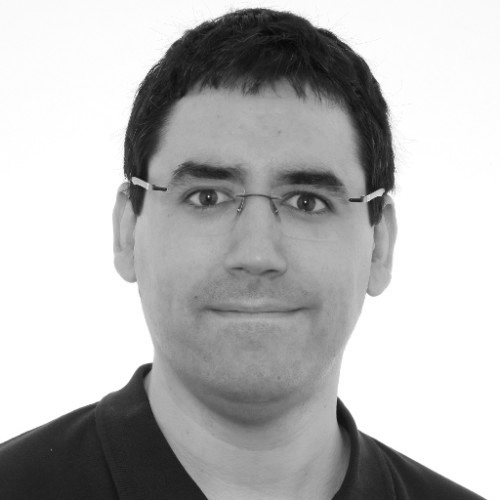
Mikel is a Human-Computer Interaction researcher focused on the development of advanced 3D User Interfaces for Extended Reality systems. Currently, he is working at Augmented Interaction (Bilbao, Spain).
As the main developer of the Reality Modeling project, one of the first open-source web-based geospatial browser engines to integrate with an Open Spatial Computing Platform (OSCP), Mikel focuses on bridging the gap between research-grade tools and practical AR applications.
Mikel holds a PhD from the University of the Basque Country (Spain) and is a Senior Research Scientist at Open AR Cloud.
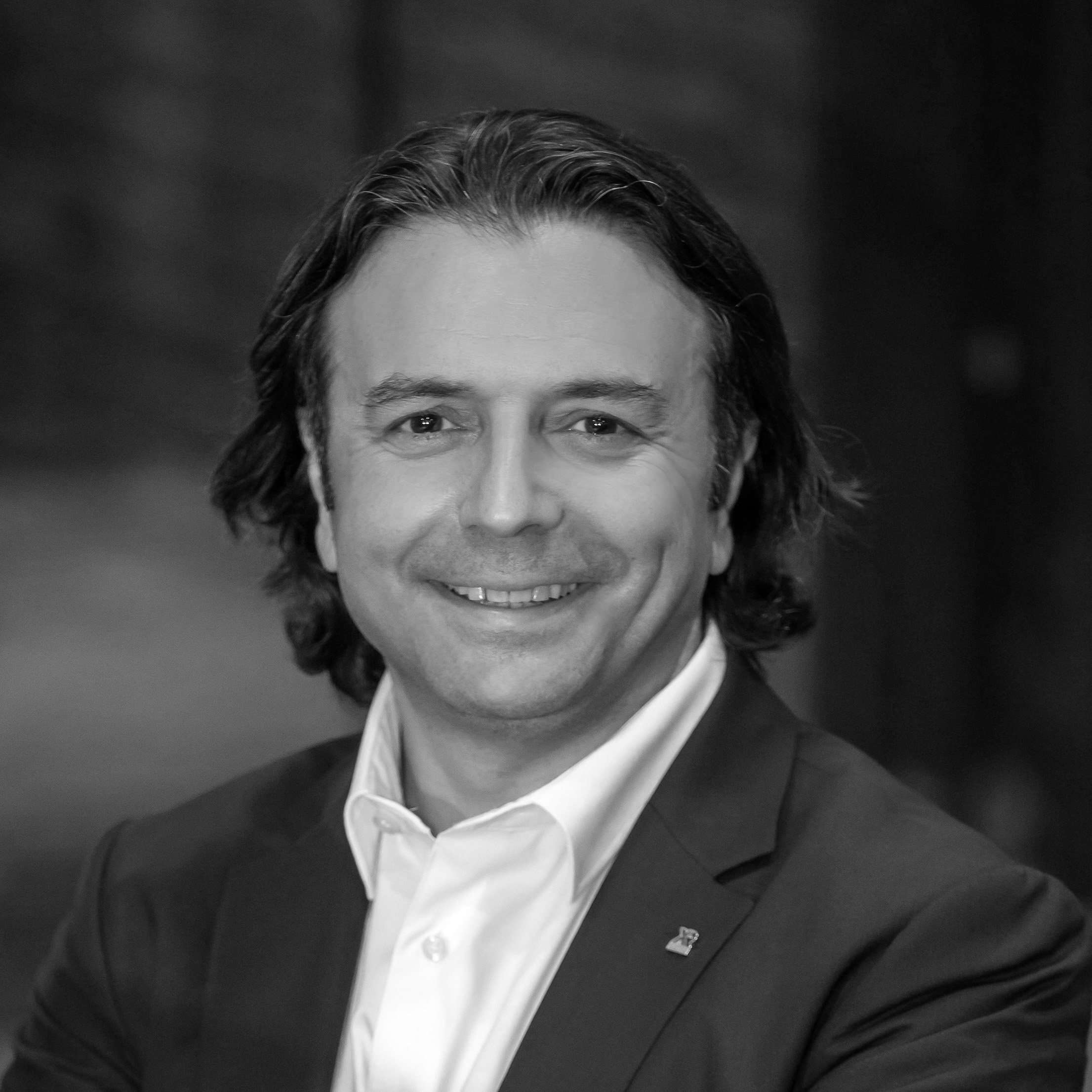
Ali is a serial entrepreneur and advocate for open standards and interoperability in spatial computing. He is the Founder and CEO of XR Masters, Co-President of the Open AR Cloud Association, and Chief Adoption Officer for the GeoPose Standards Working Group at the Open Geospatial Consortium (OGC).
His work focuses on advancing geospatial AI, XR, and spatial computing through open standards and cross-platform collaboration. XR Masters is the developer of MyGeoVerse, a spatial computing platform for persistent AR content and location-aware AI agents, including the demonstration of interoperable content placement between a Unity client (MyGeoVerse by XR Masters) and a WebXR client (spARcl by OARC).
Ali holds an MBA from the University of Baltimore and a BBA from Boğaziçi University in Istanbul.
Invited Speakers

Building the Open Spatial Web Together
The tutorial demonstrates how open standards, open-source technologies, and interoperable platforms can enable location-based spatial experiences that work across different technologies and ecosystems.
Participants interested in contributing, developing integrations, establishing testbeds, or collaborating with the Open AR Cloud community are invited to connect with us.